NewsTracker Answers for week of Oct. 26, 2026

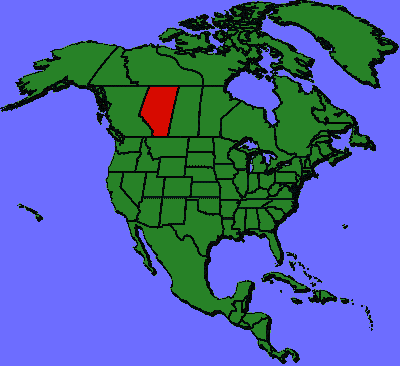
Q: Albertans voted three-to-one in favor of remaining Canadian in a referendum last week, helping Prime Minister Mark Carney’s call for national unity amid U.S. President Donald Trump’s trade war and annexation threats. Where is Alberta, an oil-rich province north of Montana?

Circle the area on this map


Q: Canada ranks third or fourth in the world for proven oil reserves, and 95% of that oil is in Alberta. Canada’s oil reserves are estimated to last 90 years at the current production rate. How long are U.S. oil reserves expected to last?

A. 9 years

B. 19 years

C. 29 years

D. 39 years


A. The United States produces far more oil a year than any other country, but it has less than half the proven oil reserves of Canada. The United States ranks eighth or ninth in oil reserves. Venezuela has the most oil reserves, estimated to last 858 years.


Q: Carney grew up in Alberta and said he understood why some Albertans felt slighted by Canada’s federal government. With 5.1 million people, Alberta is Canada’s fourth most populous province. Which is the most populous province?

A. British Columbia

B. Manitoba

C. Ontario

D. Quebec


C. Ontario is the most populous province with 16.2 million people. Quebec follows with 9 million people, and British Columbia with 5.7 million. Manitoba, a prairie province like Alberta, is the fifth-most-populous province with 1.5 million people. With 86% of Canada’s population, Ontario and Quebec have significant political power.


Q: While Albertans rejected a proposal to leave Canada, a majority supported referendum proposals calling for restrictions on immigrants. Oil industry demand for workers rapidly increased Alberta’s population. How much of the population is non-permanent residents?

A. 4%

B. 6%

C. 8%

D. 10%


B. About 6% of people in the province are workers and their families who are temporary residents. The provincial government previously campaigned to attract foreign workers. After a popular backlash against immigration, government leaders now complain that non-permanent residents are using up education and health resources.


Q: Alberta was named after a . . .

A. King

B. Queen

C. Prince

D. Princess


D. Alberta was named after Princess Louise Caroline Alberta, the fourth daughter of Britain’s Queen Victoria and Prince Consort Albert. She was the wife of John Campbell, a British marquess who was Governor-General of Canada from 1878 to 1883.